I spent the last four months surrounded by tourists in the Transkei eating roughly 80kg of mielie pap at a rate of 1kg of pap per day. I ate the pap for breakfast. I ate the pap for lunch. I ate the pap for dinner. It was delicious. It was nutritious. I wouldn’t swop it for anything in the world.
Of all the addictions on offer in the Kei, pap is by far the most abundant and readily available. Boxer Superstores have it, Spar has it, each and every spaza shop has it. Should you have a mielie grinder under the back seat all you have to do is stop next to the road to get it, depending of course on the time of year and the level of veg ubuntu practised by the grower in question. April is best. Some money in your wallet recommended.
In the morning, I ate the pap in a blikbord using the biggest spoon in the kitchen, sitting at the table with the best view. None of the tourists bothered me while I ate my pap. They kept their distance, slurping Fruit Loops, stealing glances at the South African staring into the distance stuffing his face with what looked like couscous. It was the closest they’ve ever been to pap and I could tell by the look on their faces that they didn’t know what to make of it.
On one occasion a Dutch lady mentioned from across the table how much it reminded her of polenta – a moosh enjoyed by the Italians.
“That looks a lot like like polenta,” she said.
“This is not polenta, my dear, this is pap,” I assured her, looking up from my pap for a moment.
“Pap is made from the mielie, or umbona. It’s the lifeblood this whole country runs on. Without pap there is no sous. Without pap there is no amasi. It’s the yellow in our flag; the white in our smiles. Now if you’ll excuse me I’d like to get back to my pap.”
Unsure how to handle all this, the Dutch lady stood up and left the table. I felt bad for a bit but after more pap I felt better.
Believe it or not, pap in the morning was, and is, like a drug to me. Maybe it’s the sugar, maybe it’s the fact that White Star™ maize grows genetically engineered mielies (it says so on the pack), but when I sit down with that blikbord in the morning everything in the universe makes sense.
I think we can all do with some pap in the morning.
With enough pap in their stomachs the pupils of the Eastern Cape will be able to flee the mud structures collapsing around them.
With some more pap on the menu maybe Juju can afford to finish his house and move out of the middle-class slum of his white protégé agent Ovaria.
With another mouth to feed I know for a fact the Zuma household can use a 10kg bag White Star™ in the pantry.
Pap is our common denominator. From Musina to Mossel Bay we’re all swimming in a steaming pool of pap. Shaped like an Olympic torch the umbona is a shining light in our land and the pap it produces the golden thread that ties us together.
Pap it up South Africa – it’s what makes us work.
In the spirit of togetherness and for the greater good I’m posting my krummelpap recipe below (coming soon via the Pap App for BlackBerry). Read it slowly and with care. I’m giving you pearls here.
Krummelpap:
Like Mystique from X-Men pap can take on many different forms. There’s slap pap for the novice, stywe pap for the fisherman and krummelpap/phutu pap for the connoisseur. Made with the minimum amount of water, krummelpap can be enjoyed on a dune in the Namib or the surface of the moon. To make krummelpap you need patience and a pot. Put the pot in a fire or on a stove. Add the littlest amount of water. Bring the water to the boil, take the water off and add the mieliemeel so it forms a mound resembling Kilimanjaro from the sky. Put the lid back and leave that mini mountain for half an hour. Come back after half an hour and take the lid off. At this point you can’t take any nonsense from the pap. Take a houtlepel and manhandle the pap. Don’t go ape shit, just turn the pap over, making sure what was in the middle is on the outside and vice versa. Add some water, put the lid back and forget about the pap. Come back after another half hour, take the lid off and have the pap.
Author
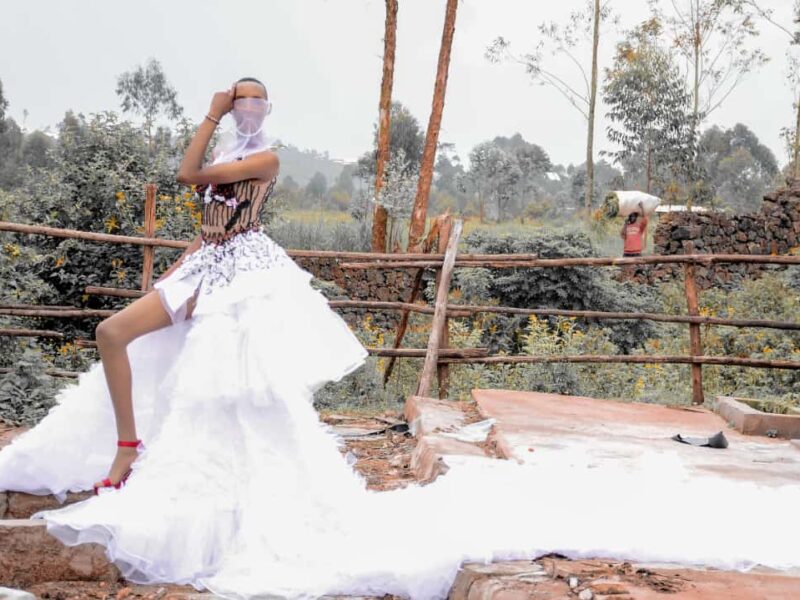
A prince with dignity and determination
Prince Ngarambe’s goals are to become Rwanda’s first transgender model and to uplift the country’s youth

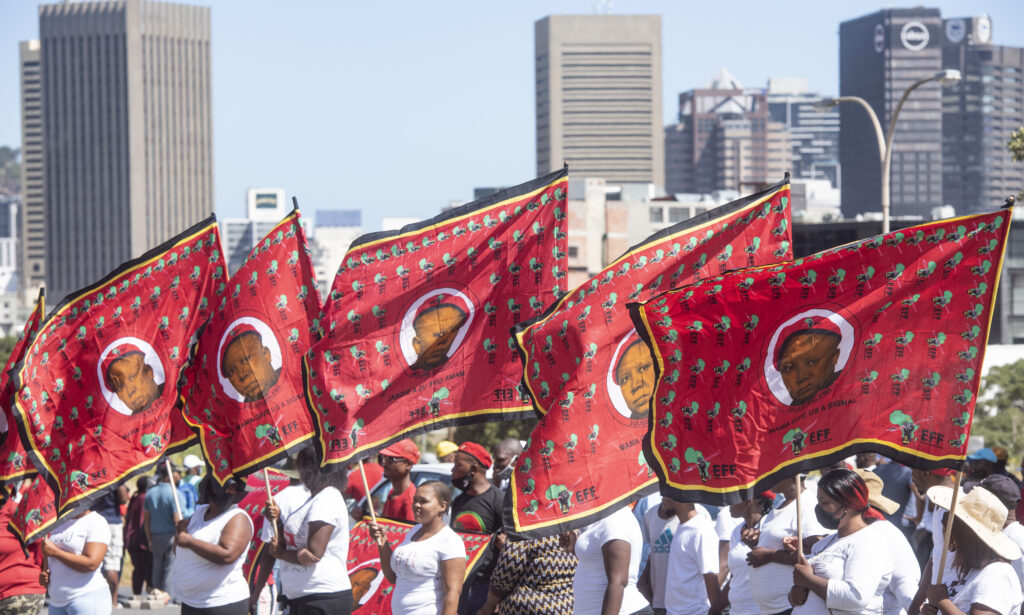
The EFF’s principles are unshakeable
Unlike the ANC, the core values of the freedom fighters do not change with each leader it elects